
Tennis Company –
Designing a Tennis Startup From the Ground Up
Overview
Hector’s Elite Tennis Services is a local tennis coaching and restringing startup that needed help building it from the ground up. I worked closely with the founder to design the name, brand, service structure, and customer-facing materials while the business was actively launching.
This work ranged from identity design, service communication, and operational decision-making. My goal was not just to create solid visuals, but to build a clear and trustworthy system that could attract customers and support day-to-day operations, which would scale as the business grew.

Hector’s Elite Tennis Services launched without any existing brand recognition or digital infrastructure. These early interactions revealed recurring friction points: customers were unsure about pricing tiers, turnaround times, and the difference between coaching and restringing services. Most communication occurred in person or via informal text messages, leading to repeated clarification and inconsistent messaging.
The opportunity was not simply to design a logo, but to create a cohesive service system that reduced confusion, built trust quickly, and supported early-stage growth with very limited resources.
Problem and Opportunity

Constraints and Goals
Since the business launched with no existing brand recognition and had limited resources, it required design decisions that balanced speed, clarity, and practicality. Also, most interactions happened either in person or on mobile devices, so materials needed to function across both physical and digital contexts.
The services and pricing were still evolving during the design process, which required frequent iteration and close collaboration. My primary goal was to communicate offerings clearly, establish credibility with new customers, reduce any friction in inquiries and booking, and create a system that could adapt as the business matured without constant redesign.

Core Brand and Service System
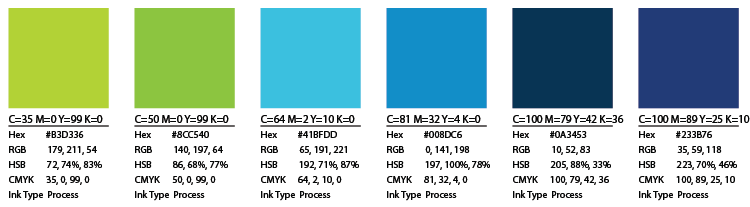
I began by designing the logo and defining the foundational brand elements, including the color palette, typography, and overall visual tone. These decisions were intentionally restrained to prioritize legibility, consistency, and ease of reproduction across a variety of formats.
The brand system was designed to support a clear service hierarchy and recognizable touchpoints, treating each asset as part of a larger service system rather than a standalone design. This allowed the business to present a cohesive identity while remaining flexible to change.
Applications
First, the logo served as the anchor for the brand and informed all downstream design decisions. It was designed to feel professional and energetic while remaining legible across all applications. I decided to keep it simple, incorporating a cool-toned color palette to maintain a modern yet innovative feel. By adding bright greens as a highlight in this palette, I secured a visual system that reflected the professional atmosphere the owner wanted and made it clear it was for tennis services.
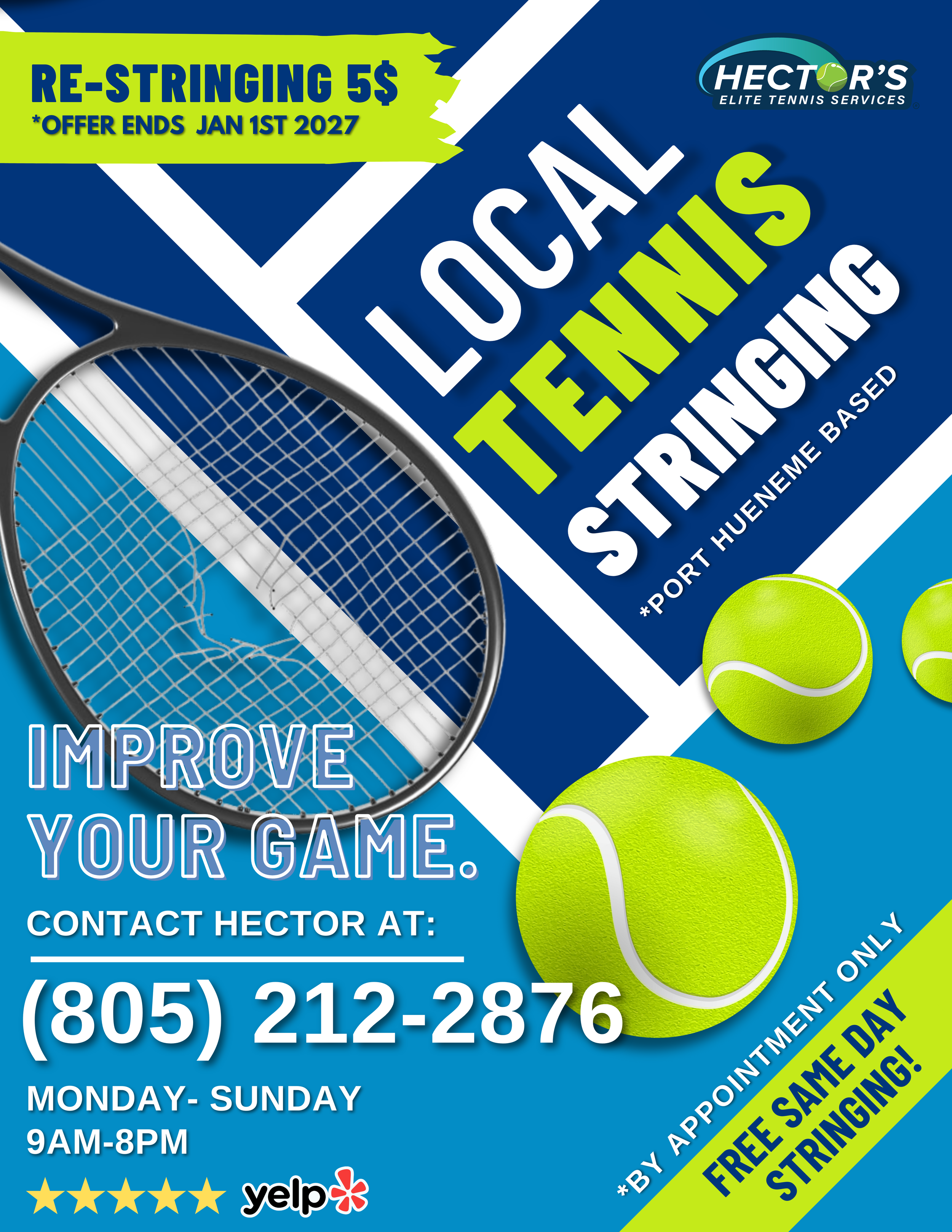
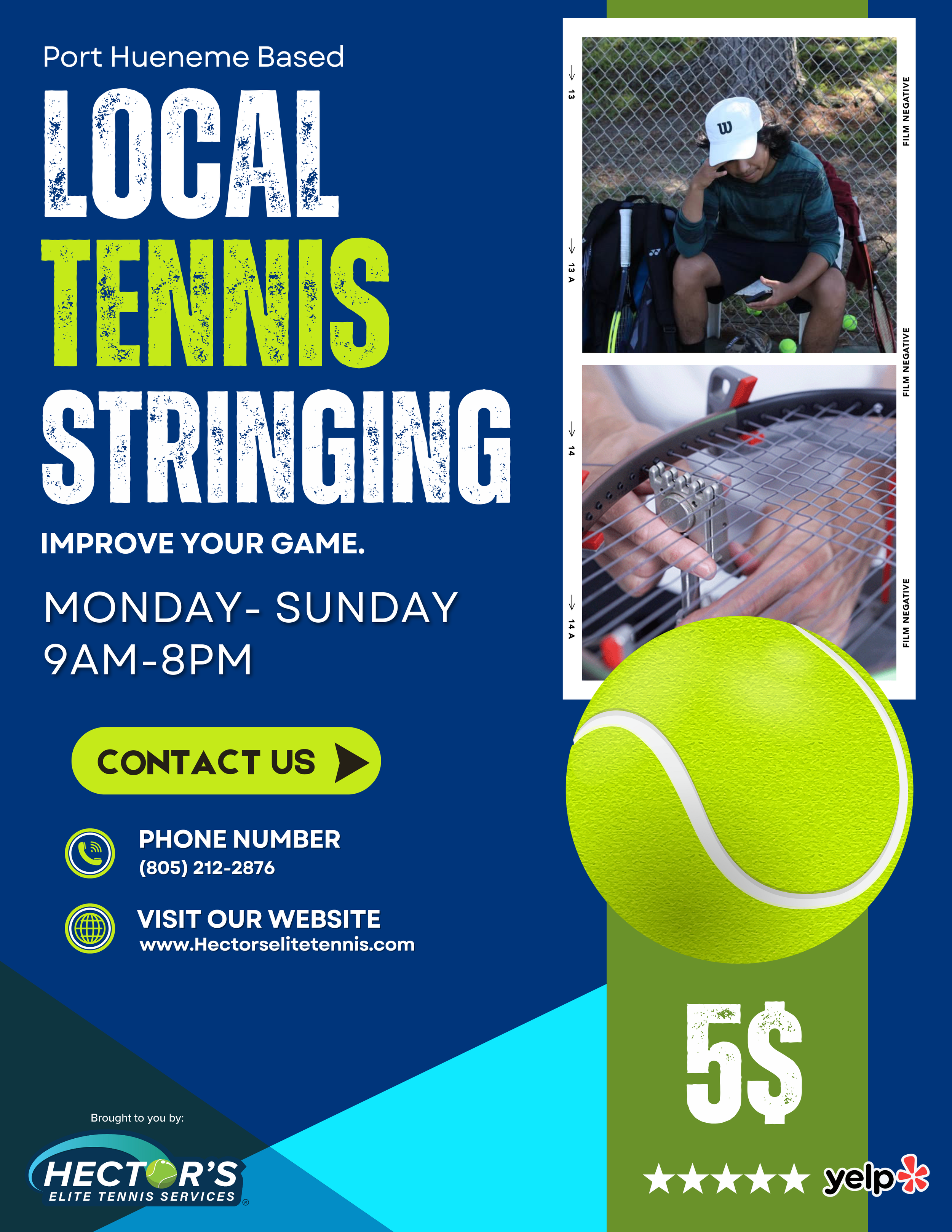
Flyers and print materials went through multiple rounds of iteration based on ongoing feedback and real-world usage. With each revision, I refined hierarchy, messaging, colors, and layout to improve clarity and effectiveness. I also handled production considerations, ensuring designs printed accurately and performed well in high-traffic physical locations.


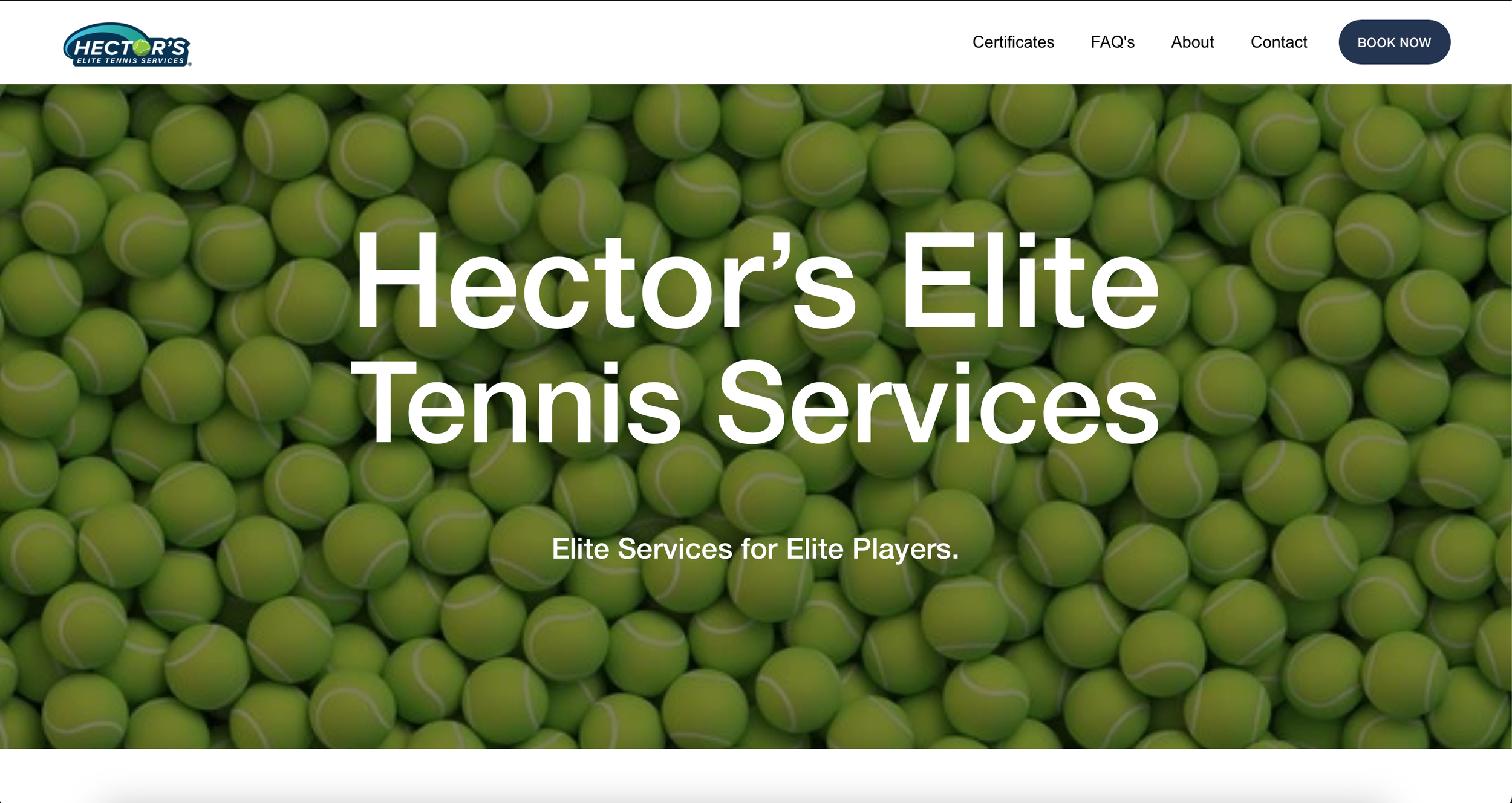
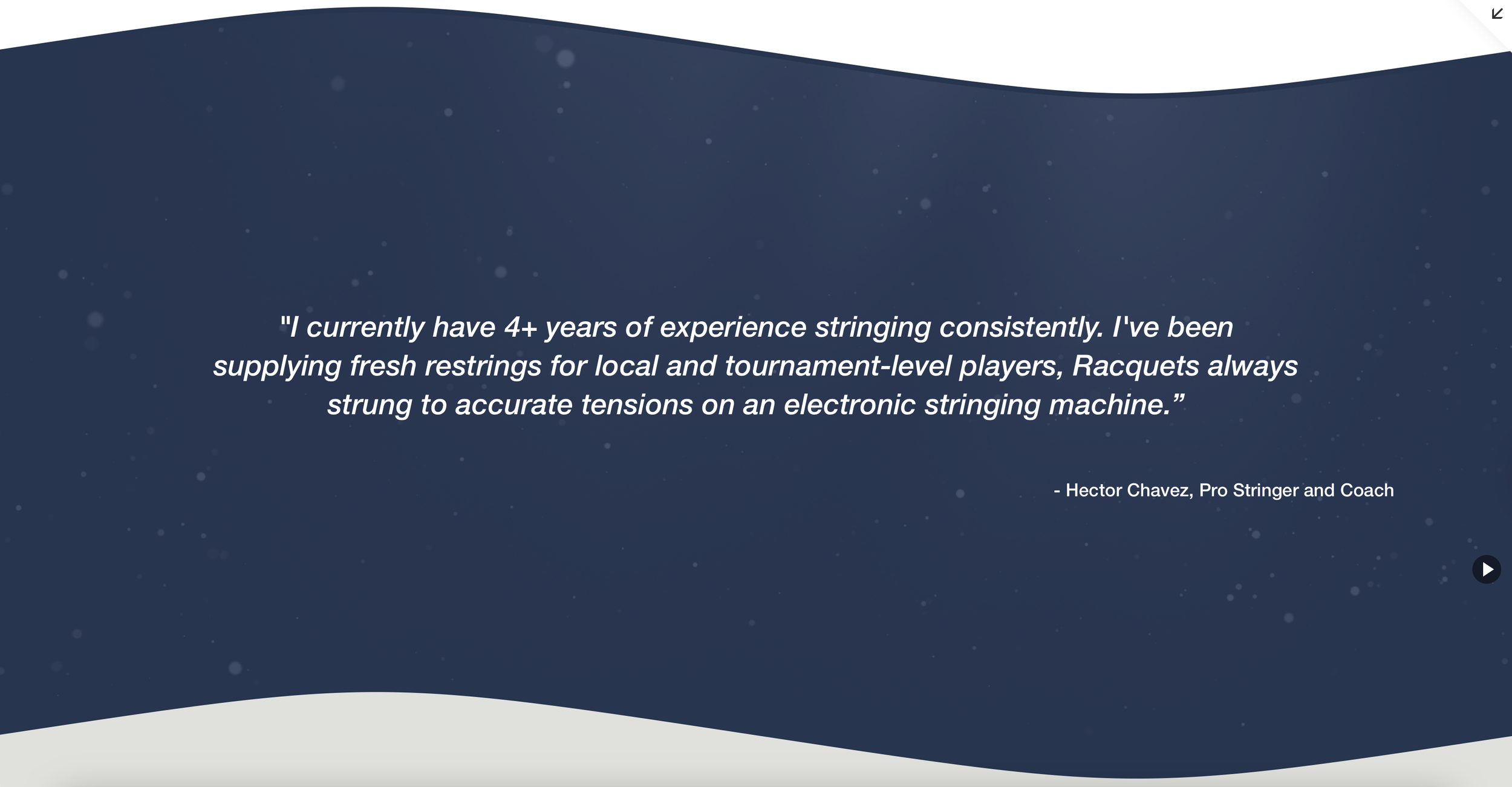
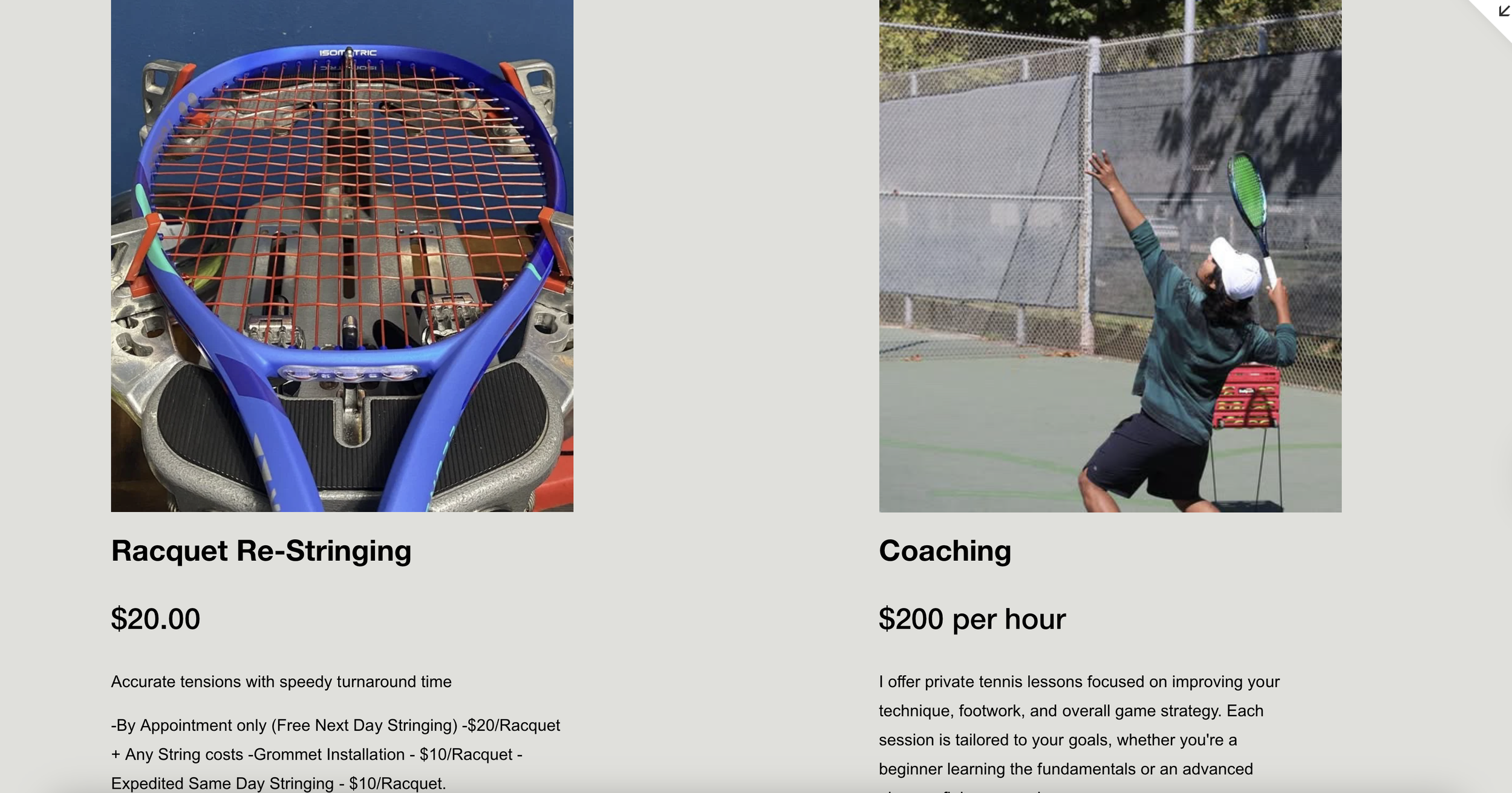
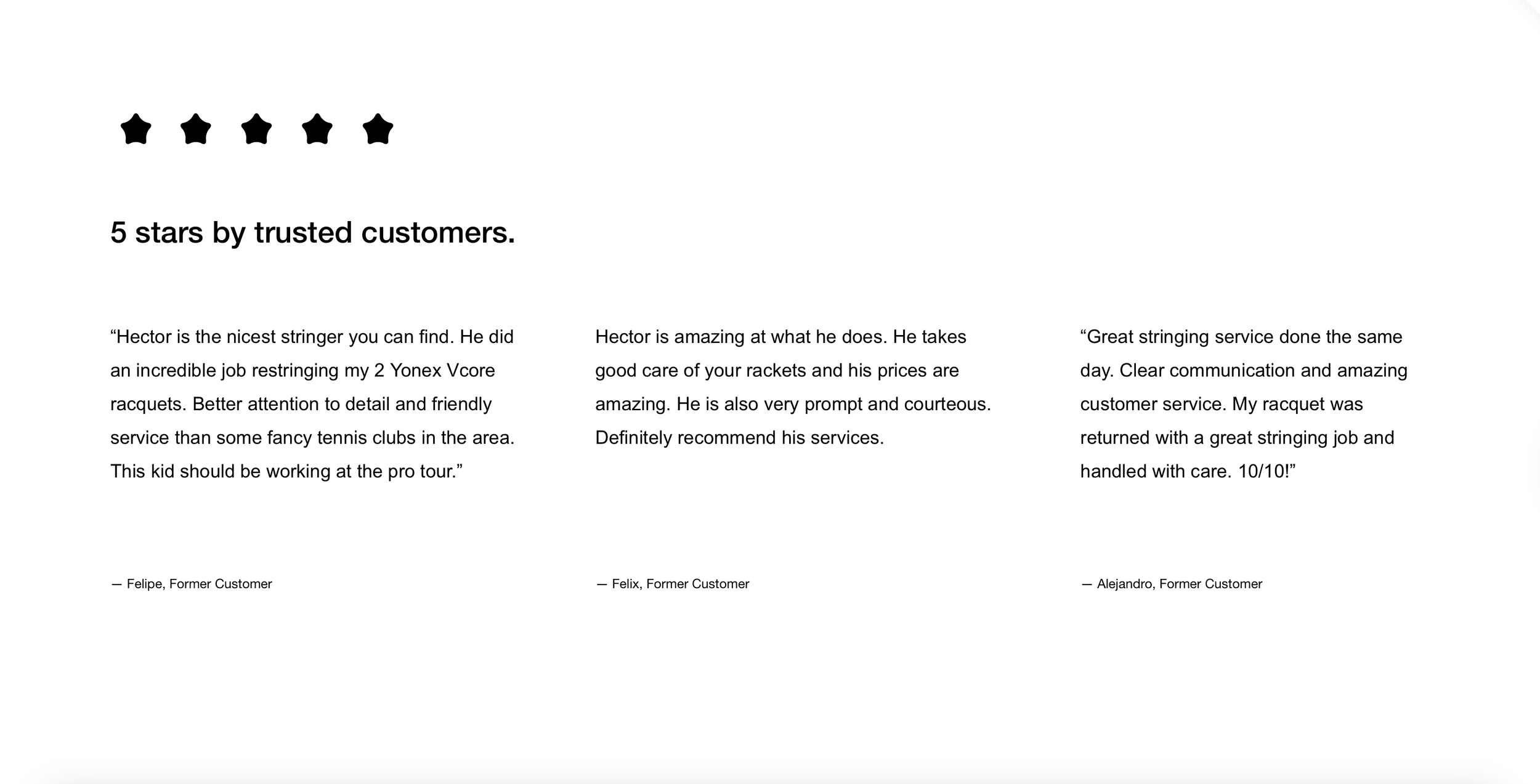
Next, the website became the primary digital touchpoint for the business and evolved alongside changing services and pricing. It went through several iterations to incorporate new information, improve clarity, and better answer common customer questions. The final structure I landed on prioritized mobile usability, clear service breakdowns, visual cohesiveness, and building trust through its tone and organization.
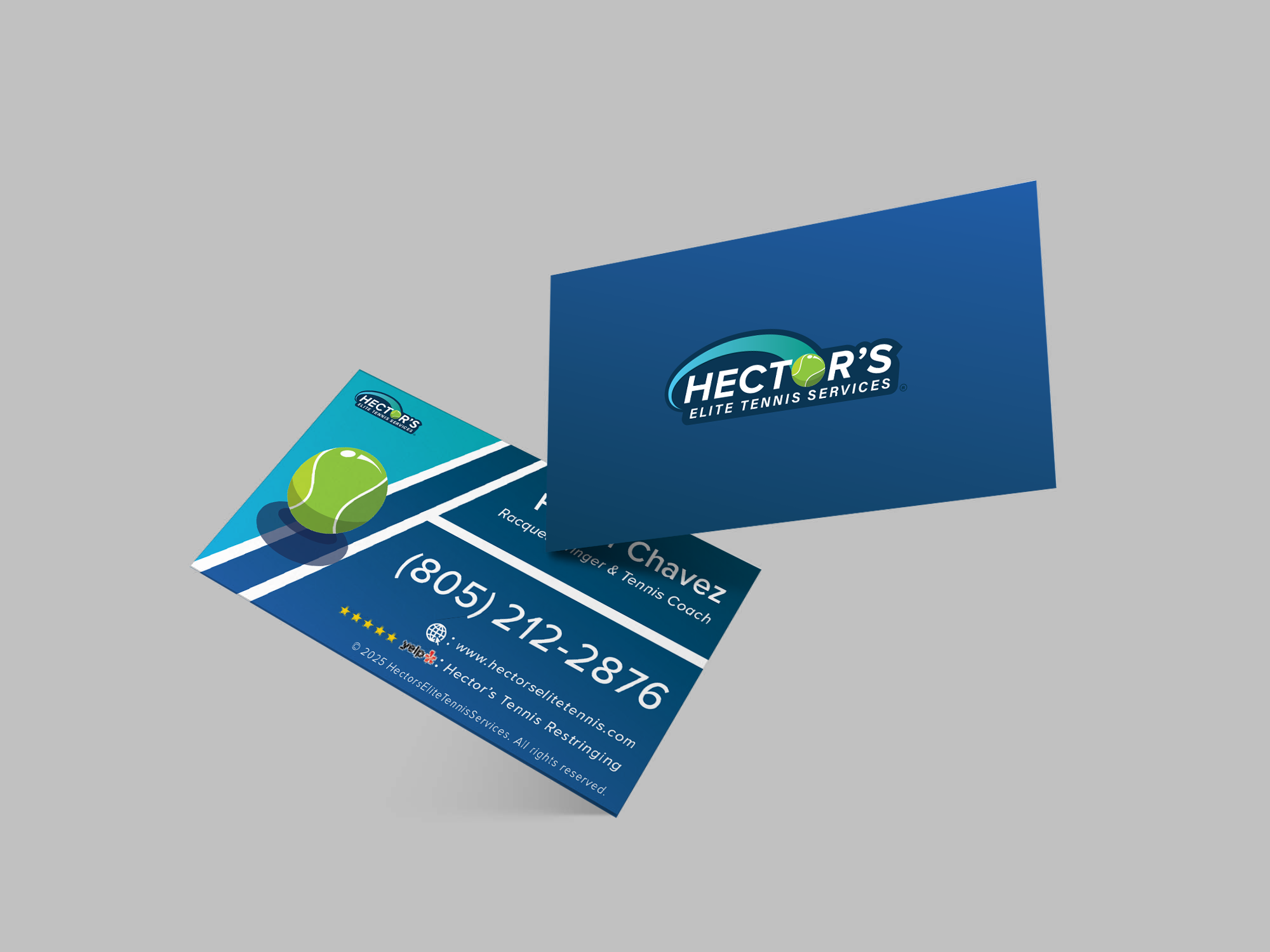
Lastly, the business cards were designed to align with the broader system and reinforce brand recognition during in-person interactions. Layout and content decisions made sure to emphasize readability and quick comprehension.
In addition to the design’s execution, I collaborated with the founder on decisions related to service structure, pricing, and customer acquisition. The design assets were used to explore how offerings were positioned and understood. As the business grew, this contribution was recognized through a ten percent ownership stake, reflecting my role in shaping both the brand and service foundation.
Outcomes and Learnings
The resulting system established a consistent and professional presence across all customer touchpoints, helping customers understand services and pricing more quickly while reducing any friction in communication. This project reinforced the importance of designing under real constraints, iterating based on feedback, and treating branding as a fully integrated service system rather than just a collection of isolated assets. It also demonstrated how design can directly support trust, decision-making, and early-stage business growth.